Supporting the delivery of a next-generation airport terminal within a live operational environment
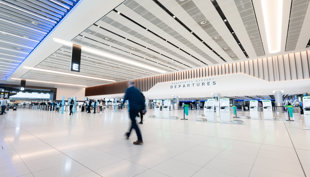
NG Bailey delivered the mechanical and electrical works for Manchester Airport’s Terminal 2 and Pier 2 redevelopment, forming a key part of Manchester Airport Group’s £1.3bn transformation programme.
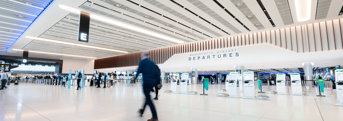
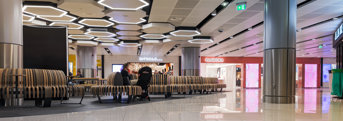
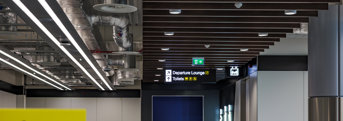
As a critical economic driver for the Northern Powerhouse, the programme is transforming Terminal 2 into a modern, high-capacity “super-terminal”, designed to support long-term passenger growth and enhance the overall airport experience. Works included the refurbishment and expansion of terminal facilities, incorporating new security infrastructure, international departure lounges, retail space and upgraded operational areas across both departures and arrivals.
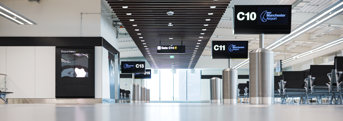
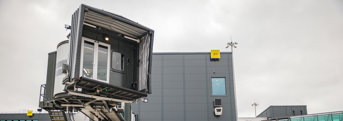
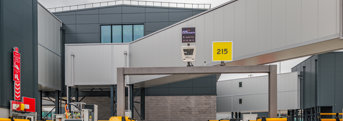
The addition of Pier 2 further expands capacity, enabling full utilisation of the airport’s dual runways and supporting the introduction of new long-haul routes. The pier includes 13 flexible aircraft stands, direct boarding access to all gates, and facilities capable of accommodating large aircraft such as the A380, providing a modern and seamless passenger experience.
Coordinating complex building services across a live, high-traffic environment
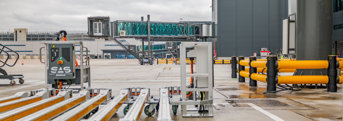
The project required the delivery and integration of extensive mechanical and electrical systems across a large, multi-level terminal and pier structure, all within a live airport environment. Systems included high-voltage infrastructure, substation works, airfield ground lighting, fixed electrical ground power (FEGP) systems for aircraft, and specialist airport systems such as advanced docking guidance.
The scale and complexity of the environment required detailed coordination across multiple disciplines, ensuring alignment between building services, airport operations and ongoing construction activities. Working within an operational airport introduced significant constraints around access, safety, logistics and sequencing, all of which were managed to maintain continuous operation and minimise disruption to passengers.
The project also required the integration of revised designs during delivery, including a significant volume of design changes, necessitating a flexible and collaborative approach across the project team to maintain programme performance.
Driving programme certainty, safety and productivity through offsite manufacturing
Offsite manufacturing played a central role in the delivery strategy, enabling the design, manufacture and installation of multi-service modules, valve assemblies and fully serviced vertical risers. These solutions allowed significant volumes of work to be completed in controlled factory environments, improving quality and reducing on-site labour requirements.
In total, 864 offsite solutions were delivered, enabling large sections of coordinated infrastructure to be installed efficiently across the terminal and pier. This approach supported improved productivity, reduced congestion within constrained areas and enabled parallel working, helping to maintain programme milestones across a highly complex build.
The project achieved over 750,000 working hours without a reportable accident, reflecting a strong safety culture supported by reduced high-risk site activities and careful planning of installation methodologies.
Delivering a high-profile infrastructure project with long-term economic impact
The successful delivery of Terminal 2 and Pier 2 represents a significant milestone in the transformation of Manchester Airport into a global gateway. Once complete, Terminal 2 will accommodate approximately 75% of the airport’s total passenger traffic, significantly increasing capacity and improving operational efficiency.
The development enhances connectivity across the UK and internationally, supporting economic growth and reinforcing the role of Manchester as a key transport hub. The project has also been recognised for its architectural and design quality, receiving the Prix Versailles award.
By delivering complex MEP infrastructure within a live aviation environment, the project demonstrates the ability to combine scale, coordination and innovation to support the long-term performance of critical transport infrastructure.